Ciderworks & Salt Spring Apple Co.: 425 Heritage Apples and Orchard-to-Glass Cider
If you thought you knew what cider was, Ciderworks at Salt Spring Apple Company will pleasantly complicate your understanding.
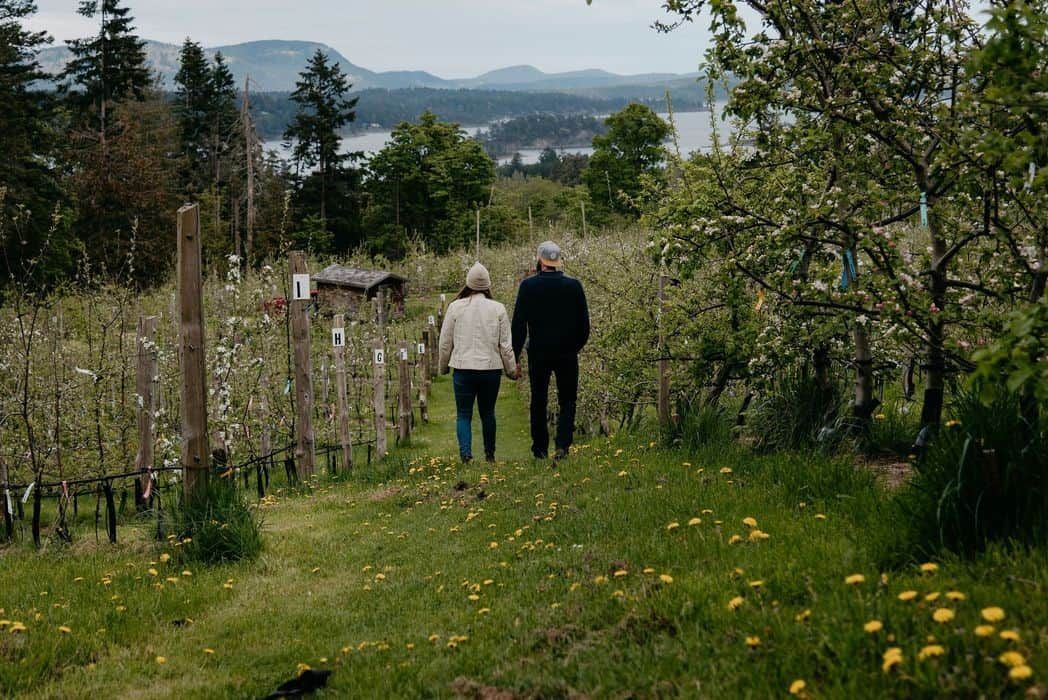
On a sloping hillside in the south of Salt Spring Island, overlooking a patchwork of orchard rows that descend toward a distant shimmer of ocean, sits one of the most unusual and quietly magnificent agricultural operations in British Columbia. Salt Spring Apple Company maintains a living collection of over 425 heritage and connoisseur apple varieties. Not 425 trees – 425 varieties. The orchard is, among other things, one of the most comprehensive apple diversity collections in Canada.
Ciderworks is what happens when this extraordinary raw material meets a small-batch, craft approach to cider-making that treats the drink with the same seriousness a good winemaker brings to their grapes. The results are unlike any cider you've had before.
The Orchard: A Living Library of Apples
The collection at Salt Spring Apple Company began as a passion project and grew into something extraordinary.
The 425 varieties represented on the property include varieties that were once widely grown across North America and Europe but have largely disappeared from commercial production – heirloom types with names like Calville Blanc d'Hiver, Cox's Orange Pippin, Gravenstein, and Kingston Black, each with its own distinct flavour profile, harvest window, and culinary or cider-making application.
Why Heritage Varieties Matter for Cider
Most commercial cider is made from dessert apples – the sweet, thin-skinned varieties bred for eating that dominate modern orchards. These produce a drinkable but relatively simple cider, often needing added sugar, flavourings, or concentrates to achieve the flavour profile the producer is after.
Traditional cider apples are different. They're often unpleasant to eat raw – too bitter, too tannic, or too sharp – but these same qualities produce complex, interesting, layered cider when fermented. The tannins that make a bittersweet apple unpalatable off the branch provide the structure and longevity that make a great cider worth drinking slowly.
Salt Spring Apple Company grows many of these traditional cider varieties alongside their heirloom eating apples, and Ciderworks uses them to produce drinks that genuinely taste of the orchard they came from.
A Walk Through the Orchard
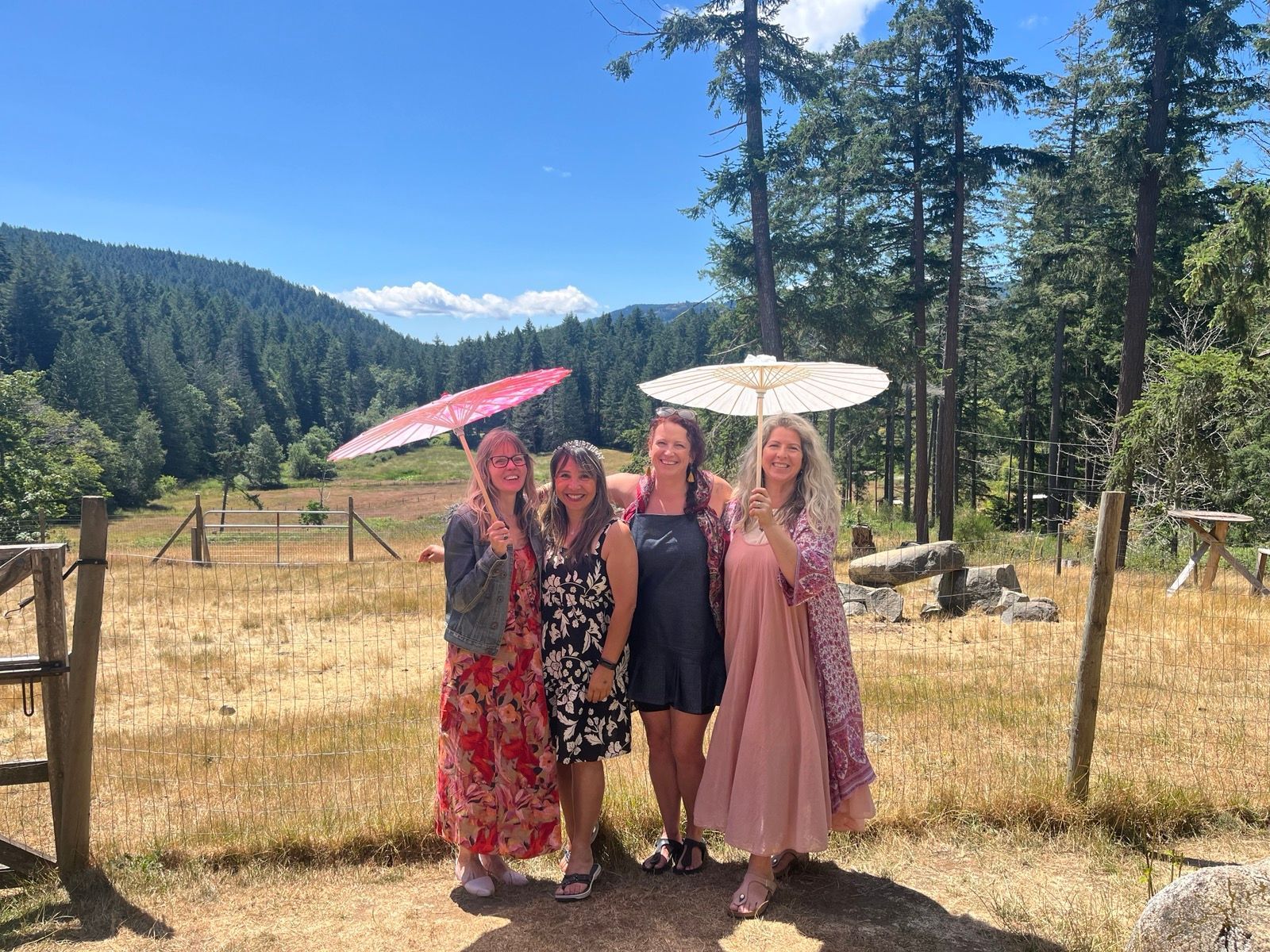
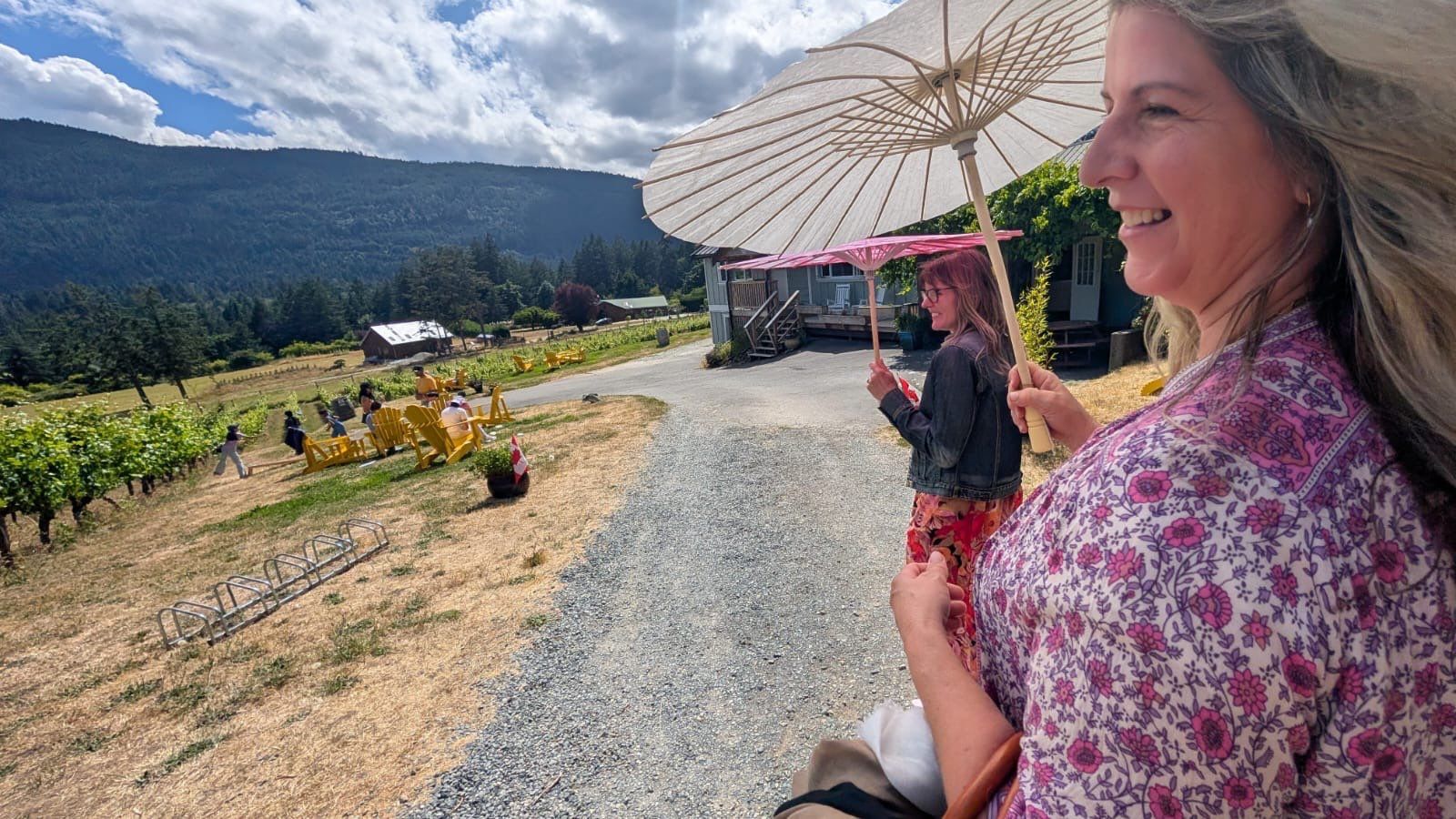
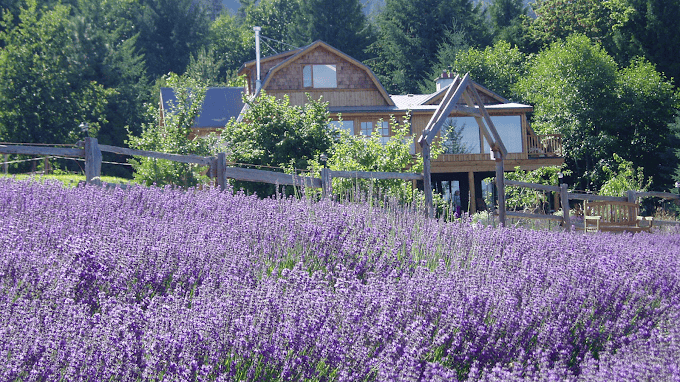
Guests visiting on the Hop On tour can take in the orchard from the Ciderworks building, which overlooks the rows of trees on the hillside below. In summer, the trees are in full leaf and fruit is beginning to develop on the branches. In early autumn, the harvest is underway. At any point in the season, the view is remarkable – an agricultural landscape of rare depth and diversity, framed by the ocean and the islands beyond.
The Cider: What to Taste
Ciderworks operates on a philosophy of minimal intervention – allowing the apples themselves to express their character, without added sugars, artificial flavourings, or shortcuts. This is cider-making as craft, and as agriculture.
What Makes Ciderworks Cider Distinctive
- Made from estate-grown and locally sourced heritage and traditional cider apple varieties
- No added sugar – the sweetness and complexity come entirely from the fruit
- Small-batch production that allows careful attention at every stage of fermentation
- Varying sweetness levels from bone-dry to off-dry, reflecting the natural sugars of the fruit
- Seasonal and limited releases that reflect the character of each harvest
The Tasting Experience
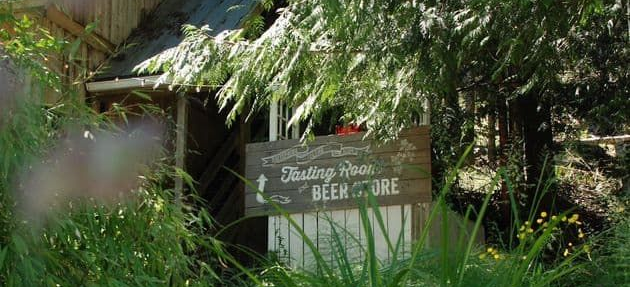
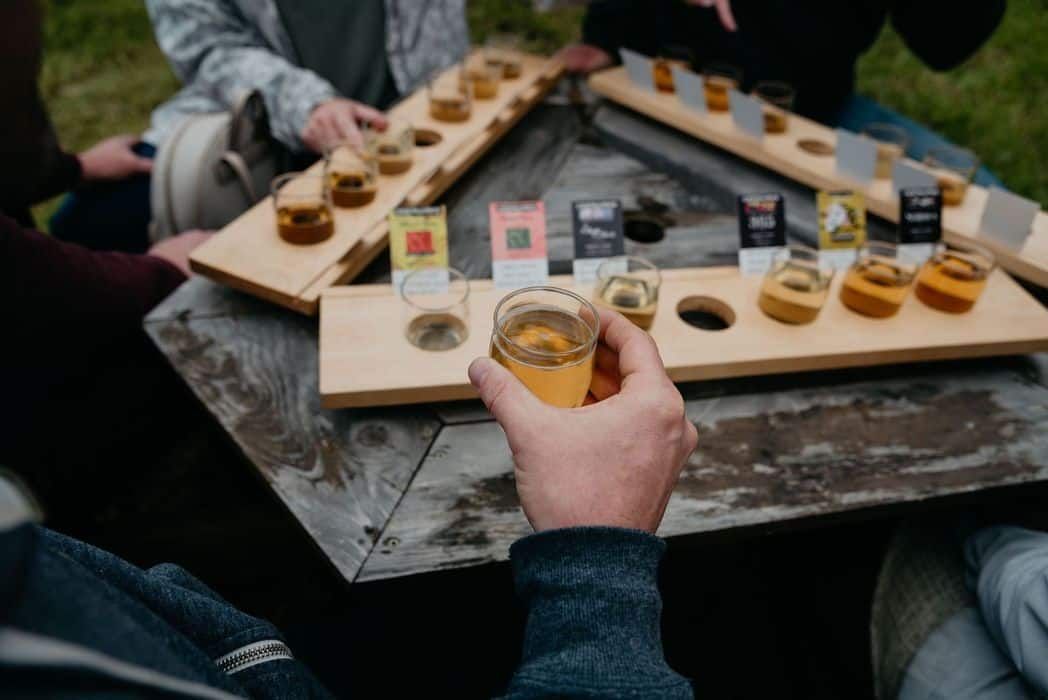
Tastings at this Salt Spring Cidery are conducted in the main building overlooking the orchard, with a rotating flight of available ciders. Staff can walk you through the varieties used in each cider and explain what makes the flavour profile of each distinct.
For anyone who thinks of apple cider as a sweet, fizzy afterthought to beer, this tasting is a revelation. A well-made heritage-apple cider has the complexity and seriousness of a good wine – it can be dry, tannic, aromatic, or rich, depending on the varieties used and the choices made during fermentation.
Cider Curiosity: Ask the staff about the differences between dessert apple ciders and bittersweet cider apple blends – the contrast is dramatic and illuminating. It's one of the best food-education moments on the entire Artisan Trail.
Apple Fritters and Seasonal Treats
Alongside the cider tastings, Ciderworks often offers seasonal food – and the apple fritters, when available, have achieved something approaching legendary status among regular visitors to the Artisan Trail. Made with fresh apples from the orchard, they're simple and perfect in the way that only very good ingredients treated simply can be.
Check with the team on arrival for current food offerings – these vary by season and availability.
The View: Ocean, Orchard, and Islands
The Ciderworks building occupies one of the finest viewpoints on the Artisan Trail. From the tasting area and the outdoor spaces, you look out over the sloping orchard to the ocean beyond – on a clear day, the Southern Gulf Islands are visible in the middle distance, with the blue line of the San Juan Islands beyond that.
It's the kind of view that makes you want to pour another cider and stay for the afternoon. Which, if you're on the Hop On bus, you can absolutely do – hop off and catch the next bus on the schedule.
Getting to Ciderworks Without a Car
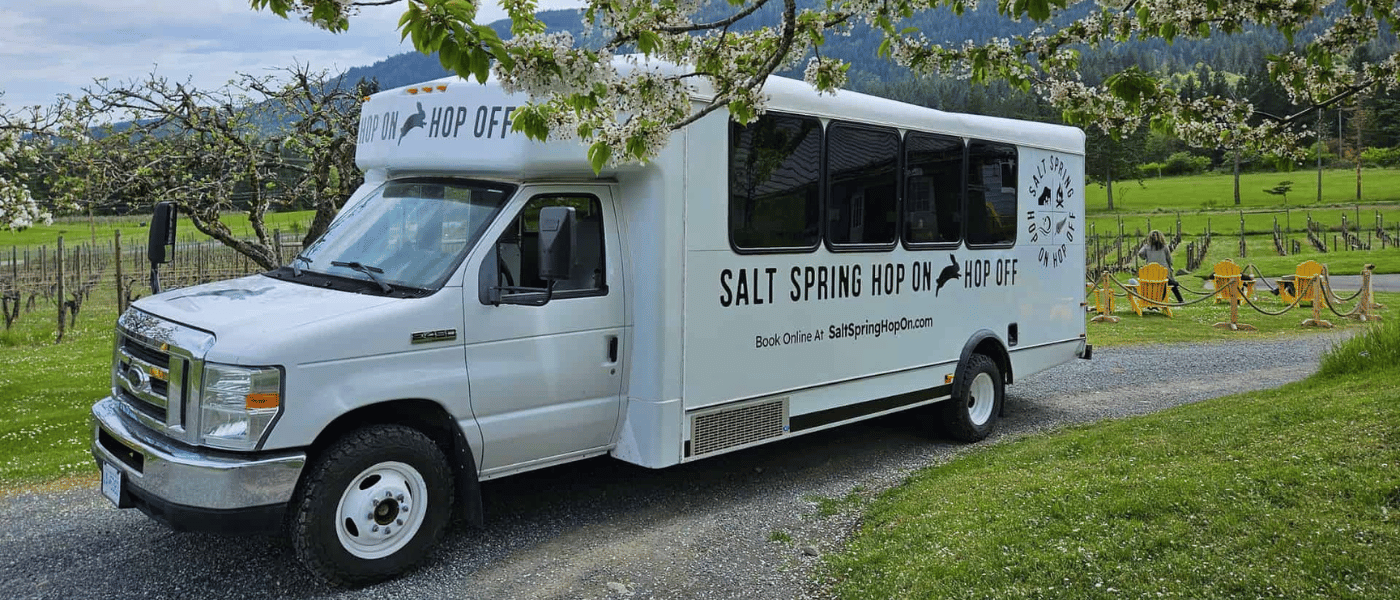
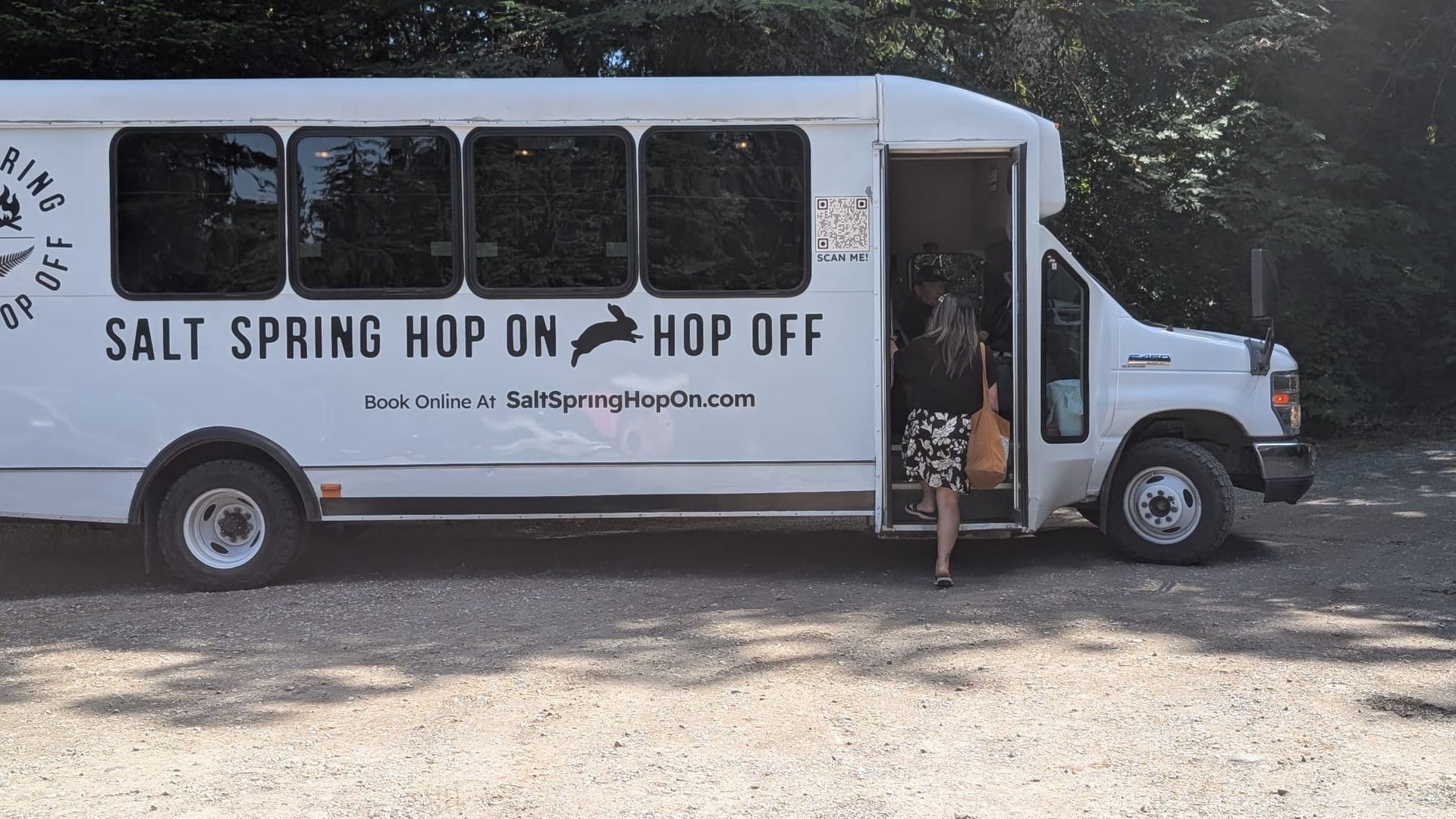
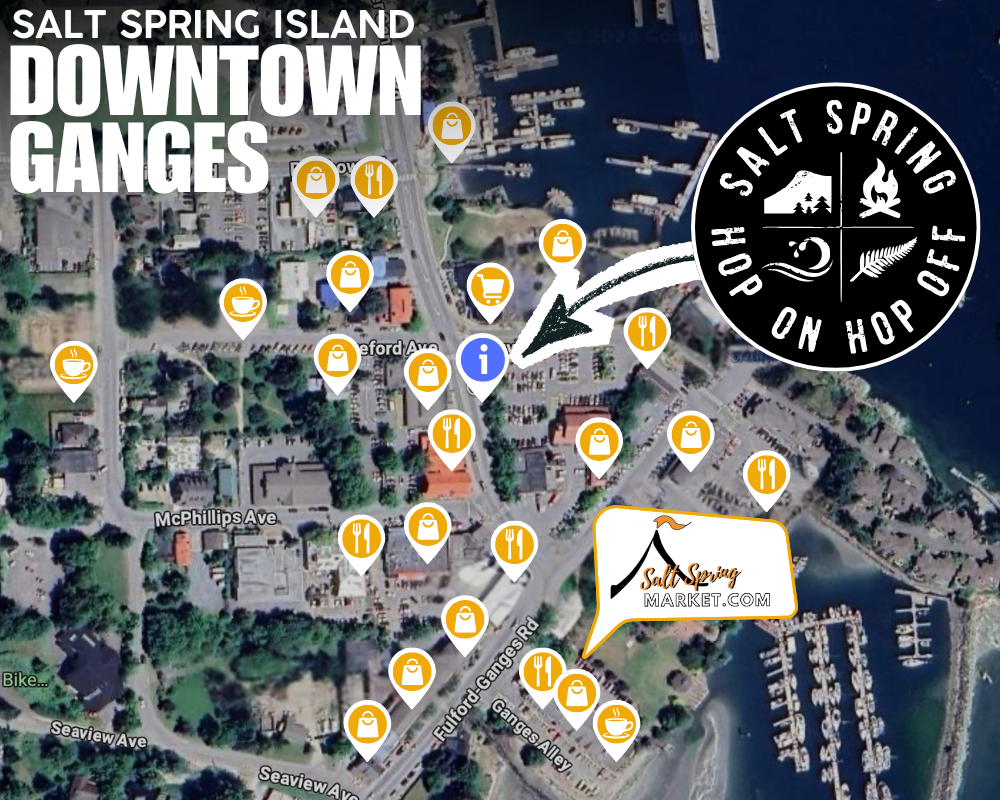
Ciderworks & Salt Spring Apple Company is located in the southern part of the island, accessible via the Salt Spring Hop On Hop Off Artisan Trail. The bus stops here on every run during the season – making it easy to visit, taste, and enjoy the view without any of the logistics of driving.
The bus departs from the Visitor Information Centre in Ganges at 10am, 11am, and 12pm on Fridays, Saturdays, and Sundays, from late April through late September. Ciderworks is the final stop on the trail before the return to Ganges.
Frequently Asked Questions
What is Salt Spring Apple Company?
Salt Spring Apple Company maintains one of the most diverse apple collections in Canada – over 425 heritage and connoisseur varieties on a single Salt Spring Island property. Ciderworks is the on-site cidery that transforms this extraordinary raw material into small-batch, craft cider.
Is the cider at Ciderworks sweet?
Ciderworks produces a range of styles from bone-dry to off-dry. No added sugar is used – any sweetness comes entirely from the natural sugars of the fruit. If you prefer drier drinks, this is the cider for you. The staff can guide you to the right pour based on your preferences.
Can I visit Ciderworks without a car?
Yes – the Salt Spring Hop On Hop Off Artisan Trail bus stops at Ciderworks on every run. This is the recommended way to visit if you plan to taste cider, as it removes any need to drive after drinking.
How many apple varieties does Salt Spring Apple Company grow?
Over 425 heritage, heirloom, and connoisseur apple varieties – one of the most comprehensive collections in Canada, including many varieties that have largely disappeared from commercial production.
What else is there to do at Ciderworks besides tasting?
Beyond the cider tasting, the orchard views are worth the visit alone. Seasonal food offerings including apple fritters are available when in season, and the staff are knowledgeable guides to the world of heritage apples and traditional cider-making.